A Practical Guide to Moving Antiques Safely
A carved walnut dresser, a hand-painted mirror, or the china cabinet that has stayed in your family for generations is not just another piece of furniture. The simple rule for moving antiques safely is this: protect the item’s condition before you worry about getting it from point A to point B. A rushed lift, the wrong packing material, or a loose drawer can cause damage that is difficult, and sometimes impossible, to reverse.
Antiques often need more planning than modern furniture because their materials, construction, and finishes can be delicate. Veneer can lift, old joints can weaken, glass can crack under pressure, and wood can react to sudden temperature or humidity changes. Careful preparation gives your moving crew the information and protection they need to handle each piece with confidence, whether the move is across Asheville or to another home in Western North Carolina.
Start With an Antique Inventory and Condition Record
Before packing begins, walk through your home and identify every antique, heirloom, artwork, collectible, and fragile high-value item. Take clear photos from all sides, including close-ups of existing scratches, cracks, loose hardware, or finish wear. If an item has an appraisal, provenance paperwork, or restoration records, keep those documents together in a separate folder that travels with you.
This record is useful for more than peace of mind. It helps you communicate exactly what requires special handling and provides a reference if you need to inspect a piece after delivery. For especially valuable items, consider getting an updated appraisal before the move. A value established years ago may no longer reflect the item’s current worth.
Mark dimensions as well. Measure the antique itself, then measure doorways, staircases, elevators, tight landings, and the route into the new home. A large armoire may fit beautifully in a room but still require door removal, careful maneuvering, or a different entry path on moving day.
Know What the Piece Is Made Of
Not every antique should be packed or carried the same way. A solid oak dining table can tolerate a different approach than a marble-topped washstand or a gilded frame with fragile ornamentation. Understanding the materials helps prevent well-intentioned mistakes.
Wood furniture and veneer
Older wood furniture may have dry joints, delicate inlay, or veneer that has loosened with age. Never drag an antique across a floor or lift it by decorative trim, drawer pulls, or a tabletop edge. Lift from the strongest structural points, usually the lower frame or base, with enough people to keep the piece level.
Remove drawers whenever possible, especially if they are heavy or prone to sliding. Wrap each drawer separately and label where it belongs. Emptying the drawers reduces strain on the frame and prevents contents from shifting. For a piece with a weak or unusual construction, leave the decision to an experienced specialty mover after an in-person assessment.
Glass, mirrors, and framed artwork
Glass-front cabinets, antique mirrors, and framed art need rigid protection, not just a soft blanket. Use clean packing paper or acid-free tissue against the surface, followed by padding and a properly sized picture or mirror box. Corner protectors help prevent impact damage where frames are most vulnerable.
Do not place packing tape directly on an old frame, finished wood, or glass surface. Adhesive can pull away fragile finish, leave residue, or damage gold leaf. Mark cartons clearly as fragile and keep them upright during loading and transport.
Marble, stone, and delicate tops
Marble, slate, and stone are heavy but can still crack if flexed or bumped at an edge. These tops usually need to be removed, protected with padding and rigid board, then carried upright when the item and conditions allow. A marble-topped table should never be treated as one standard furniture piece. The base and top may need separate handling and separate placement in the truck.
Clocks, lamps, and mechanical pieces
Antique clocks deserve particular care. Pendulums, weights, keys, glass panels, and internal mechanisms may need to be secured or removed according to the clock type. Grandfather clocks can require specialized preparation before transport, and an incorrect step can affect both the case and the movement.
For lamps, remove shades, bulbs, and finials. Pack shades in dedicated boxes with plenty of clean paper rather than crushing them beneath other household items. If an antique has a mechanism, electrical wiring, or an unusually fragile design, tell your mover before moving day instead of making a last-minute decision at the truck.
If an Antique or Family Piano Is Part of the Move
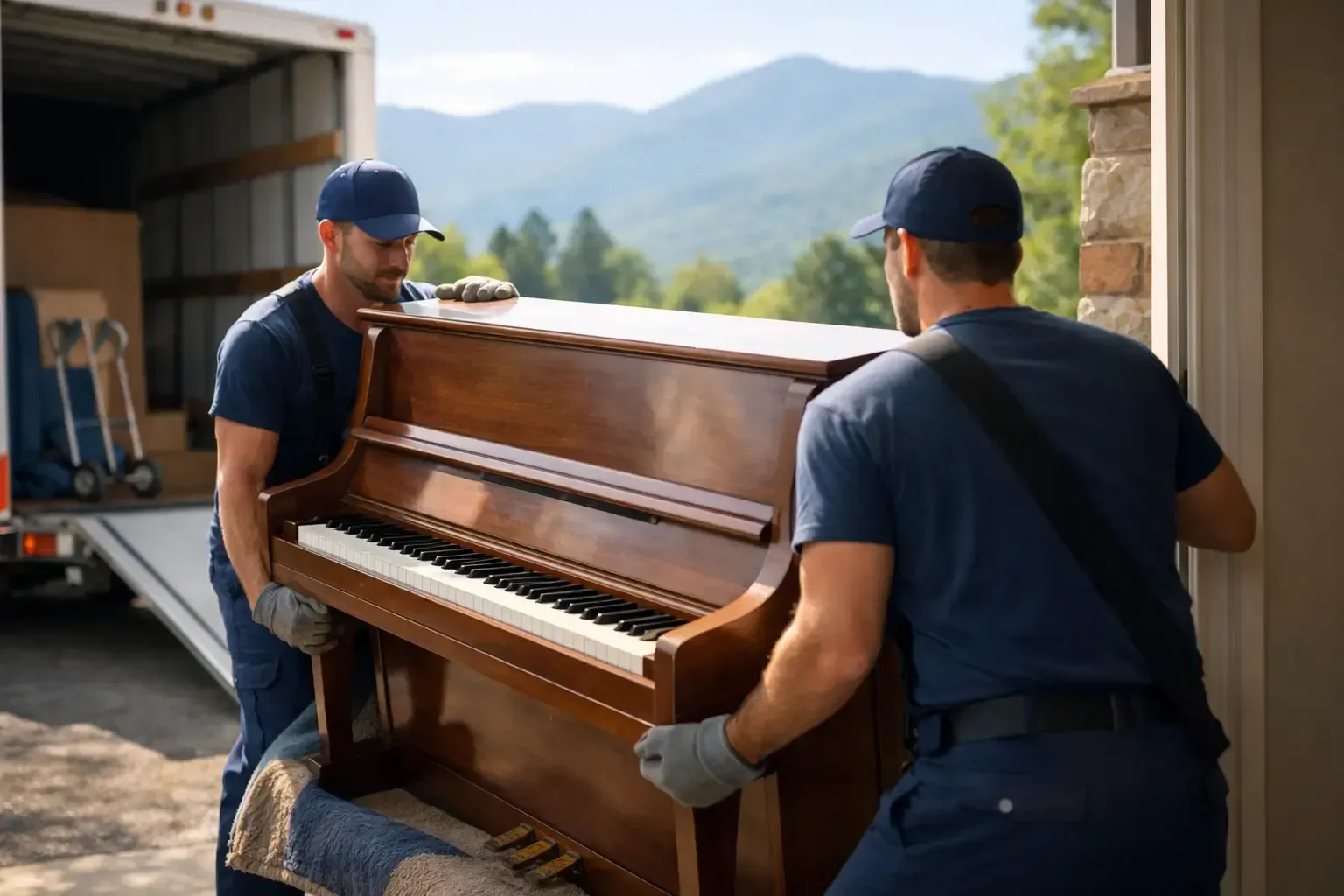
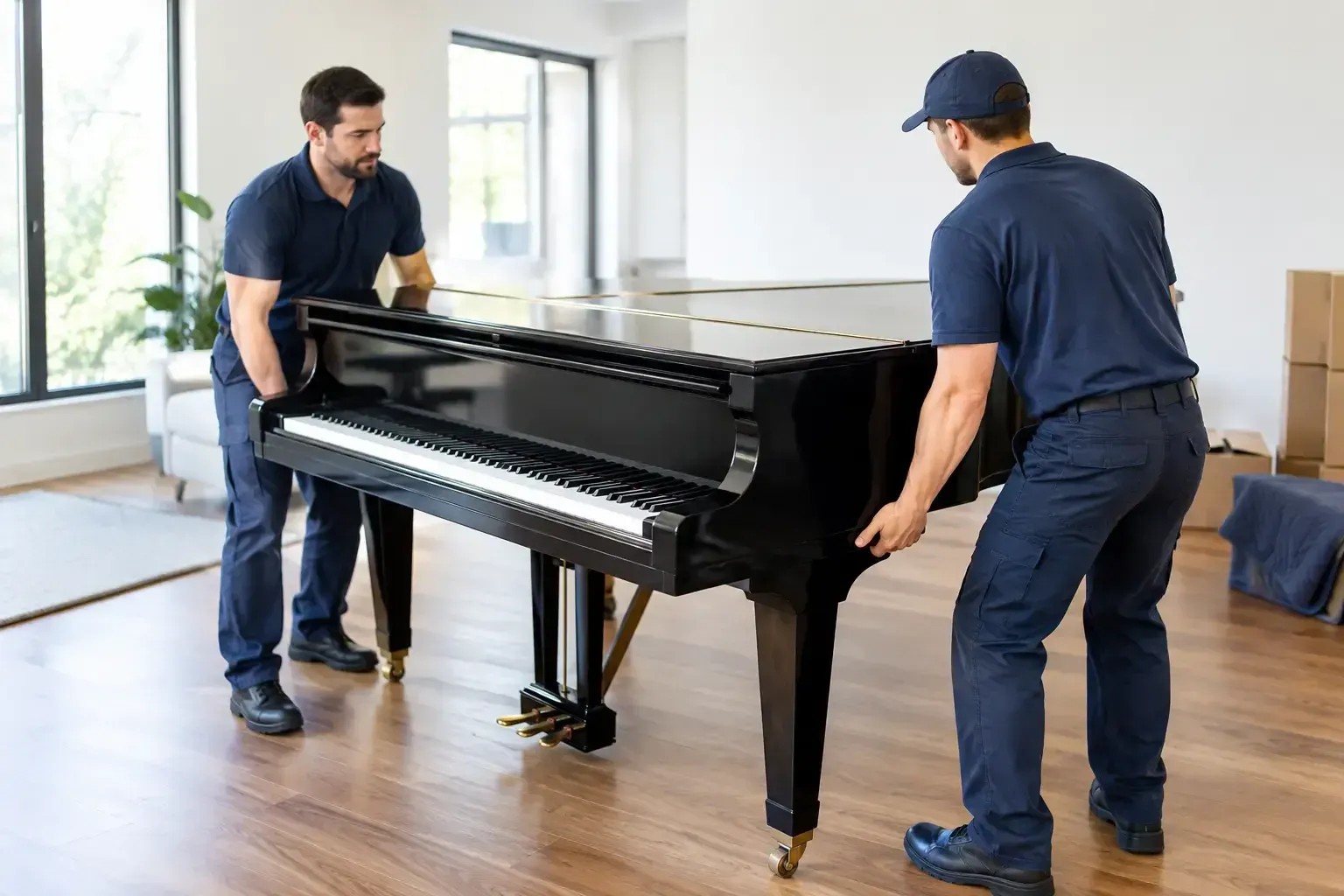
An antique or family piano should be planned as a specialty item, not as ordinary furniture. A piano can look like one solid piece, but it is a heavy, finely balanced instrument with thousands of moving parts inside. Even a small upright often weighs 300 to 500 pounds. Larger uprights can exceed 800 pounds, while grand and baby grand pianos may weigh anywhere from 500 to more than 1,200 pounds.
That weight is not distributed evenly, and neither an upright nor a grand is designed to be tilted, dragged, or lifted by its decorative parts. Never lift a piano by its legs, pedals, lid, handles, or music rack. Western North Carolina homes add another layer of complexity: staircases, mountain driveways, narrow entryways, and sharp turns can all change the moving plan.
Before anyone touches the piano, measure and inspect the full route, including hallways, doorways, porches, steps, and the path into the new room. Pay attention to turns. A hallway may be wide enough, but a 90-degree turn into a doorway may not provide enough clearance. In rare cases, a difficult layout may require a window or balcony solution coordinated by qualified professionals. That is not a situation for improvising with straps and friends.
Proper protection typically includes heavy-duty moving pads, a piano board or skid board for a grand, dollies rated for the instrument’s size and weight, straps, ramps, floor protection, and a truck with secure tie-down points. Avoid transporting a piano in an open trailer or pickup bed. Weather exposure, vibration, and limited tie-down options create unnecessary risk, even on a short trip.
After the move, avoid leaving the piano in a truck overnight or placing it immediately next to a heat vent, exterior door, fireplace, or damp basement wall. Give the instrument time to acclimate in its new room before arranging a tuning. Most piano technicians recommend waiting at least a couple of weeks, though the right timing depends on the season, distance traveled, and conditions in the new home.
For cost factors, access questions, and how to request an accurate quote, see Piano Moving Cost Factors You Should Know. For Asheville-specific access issues with uprights, see our guide to upright piano moving in Asheville. Professional piano movers can plan the route and handle the lift as a team.
Use Clean, Layered Protection
The right materials create a barrier against scratches, vibration, moisture, and shifting. Start with a clean, non-abrasive layer against the item. Acid-free tissue is a good choice for delicate finishes, textiles, artwork, and silver. Use packing paper for many general surfaces, then add moving pads, furniture blankets, or bubble cushioning as the outer protective layer.
Avoid wrapping wood antiques tightly in plastic for an extended period, particularly when weather is warm or humid. Plastic can trap moisture against the finish. It may be useful as a short-term outer layer in wet conditions, but it should not be the only protection or remain on the piece longer than necessary.
Furniture pads should be secured snugly enough that they will not slide, but tape or stretch wrap should never touch the antique itself. Put a paper or padded layer between the surface and any securing material. Small hardware, keys, shelf pins, and removable handles should go into labeled bags that are taped to the outside of the corresponding moving pad or kept in a clearly marked essentials box.
If you want help with the packing itself, professional packing services can be a better fit for fragile finishes than last-minute wrapping on moving day. Our how to prepare for movers guide also covers how to flag specialty items before the crew arrives.
Plan Moving Day Around Protection, Not Speed
A careful move begins before the truck arrives. Clear pathways, remove rugs that could slip, and make sure pets and children are safely out of the work area. If rain is expected, plan for covered staging, floor protection, and a short route between the home and truck whenever possible.
On moving day, point out every antique to the crew and explain any known concerns, such as a loose leg, a sticking drawer, a repaired crack, or a top that must be removed. Good information helps movers select the right equipment and carrying method before an item is in motion.
Antiques should be loaded in a way that limits movement. They should not be wedged beneath heavy boxes or used to fill an open space in the truck. Properly placed moving pads, straps, and load planning keep pieces stable during turns, braking, and uneven roads. This matters on short local moves just as much as longer relocations within North Carolina.
Know When Professional Specialty Handling Is Worth It
Packing a small antique side table may be manageable for a careful homeowner. A fragile breakfront, oil painting, large mirror, marble console, or antique piano is another matter. The risk is not only physical damage. It is also the difficulty of navigating stairs, tight corners, changing elevations, and loading angles without stressing the piece.
Professional movers can provide the labor, equipment, padding, and load planning needed for high-care belongings. When you compare moving companies, ask specifically whether the company has experience with antiques similar to yours and how it prepares items that need disassembly, custom protection, or special handling. If your move involves a steep driveway or a historic home with narrow access, share that information while requesting your quote.
You should also ask about valuation options and coverage before moving day. Basic mover liability may not equal the appraised value of an antique. Understanding what is included, what requires additional protection, and what documentation may be needed lets you make an informed decision rather than discovering limits after a problem occurs.
Inspect Each Piece at Delivery
At the destination, direct antiques to their final rooms before they are unwrapped whenever possible. Moving a large cabinet twice creates another opportunity for damage. Inspect each item in good light as the wrapping comes off, comparing it with your pre-move photos.
Give wood furniture time to acclimate before placing it directly beside a heat vent, fireplace, or sunny window. Western North Carolina weather can shift quickly, and older wood benefits from a stable indoor environment. Reinstall shelves, hardware, and removable components only after the item is level and securely placed.
Frequently Asked Questions
Should I empty antique drawers before the move?
Yes, whenever possible. Removing and wrapping drawers separately reduces strain on the frame and keeps contents from shifting, especially if drawers are heavy or prone to sliding. Lift from the strongest structural points, usually the lower frame or base, and never lift by decorative trim, drawer pulls, or a tabletop edge. Label each drawer so it can be returned to the right piece at delivery.
Can I wrap wood antiques in plastic?
Avoid wrapping wood antiques tightly in plastic for an extended period, especially in warm or humid weather, because plastic can trap moisture against the finish. Plastic may be useful as a short-term outer layer in rain, but it should not be the only protection or remain on the piece longer than necessary. Use clean, layered padding instead, and remember that veneer, dry joints, and inlay on older wood furniture can be easily damaged.
How should marble or stone tops be moved?
Marble, slate, and stone are heavy but can still crack if flexed or bumped at an edge. These tops usually need to be removed, protected with padding and rigid board, and carried upright when the item and conditions allow. A marble-topped table should not be treated as one standard furniture piece. The base and top may need separate handling and separate placement in the truck.
What should I do if a family piano is part of the move?
Plan it as a specialty item, not as ordinary furniture. Even a small upright often weighs 300 to 500 pounds, larger uprights can exceed 800 pounds, and grand or baby grand pianos may weigh 500 to more than 1,200 pounds. Share the piano type, access details, and route concerns early, and use trained piano movers with the right equipment. Our piano moving cost factors guide can help you gather details for a quote.
Should I inspect antiques as soon as they arrive?
Yes. Direct pieces to their final rooms, unwrap them in good light, and compare them with your pre-move photos, including existing scratches, cracks, loose hardware, or finish wear. Give wood time to acclimate before placing it beside a heat vent, fireplace, or sunny window, because wood can react to sudden temperature or humidity changes. Note any concerns promptly while the move details are still fresh.
When a treasured piece is part of the move, careful handling is never an extra detail. It is the plan. For antiques that deserve experienced attention, Movers Near Me, LLC can help you organize the protection, lifting, and transport so you can focus on seeing those pieces safely at home again.