Antique Furniture Movers in Asheville: Moving Heirlooms Safely
Moving antique furniture in Asheville takes more care than a standard move because old finishes, veneers, joinery and glue can be fragile, and many pieces are hard to replace. The safest approach is to document each piece, protect surfaces with clean padding, avoid dragging or lifting by weak points, keep wood away from moisture and extreme temperature swings, and use movers who are comfortable with single heirloom pieces. Here is how antique moves are handled and what to ask before you hire.
Why antiques need extra care
- Old finishes such as shellac and lacquer can scratch or mark easily, and can react to plastic wrap.
- Veneer and inlay can chip or lift when bumped.
- Joints and glue may be loose from age, so lifting by a leg or arm can break a piece.
- Value is often sentimental or financial, and repairs may reduce it.
Before moving day
- Photograph every piece from several angles, including existing scratches, marks and repairs.
- Measure the piece and your path. Check doorways, hallways, stairs and the entrance to your new home, and confirm each piece will fit around corners.
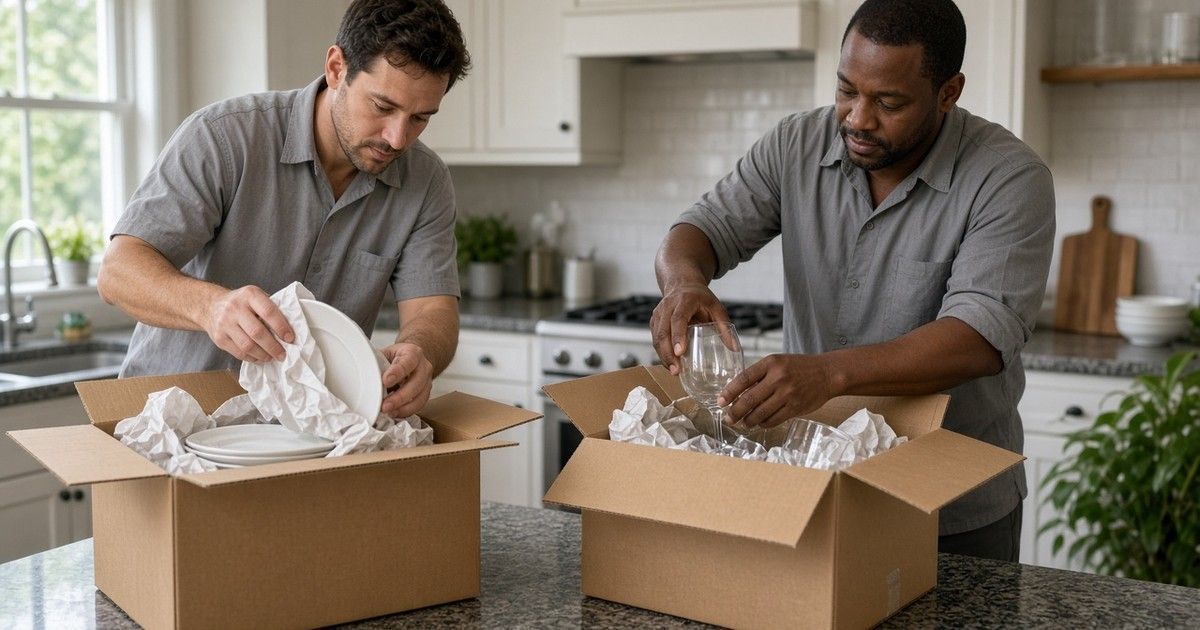
- Empty drawers and cabinets. Remove glass shelves, mirrors and loose hardware, and pack them separately.
- Secure doors and drawers with soft ties or removable padding. Do not use tape on finishes, which can pull off old varnish or shellac.
- Tell your movers about each antique when you ask for an estimate so the crew and equipment fit the job.
How antique furniture should be protected
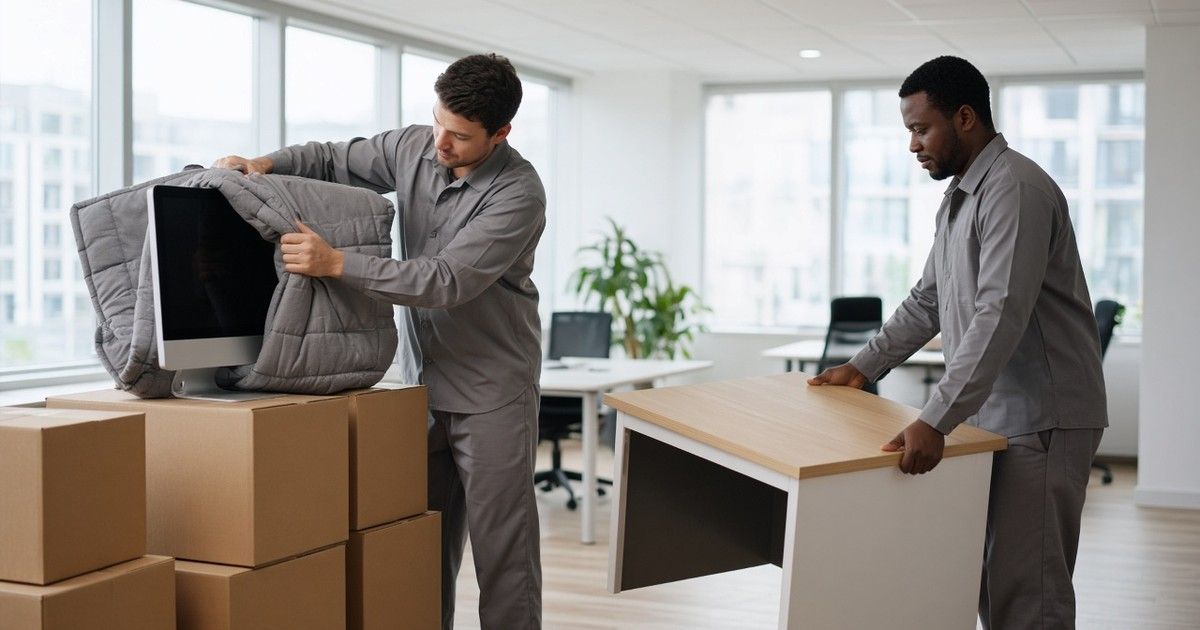
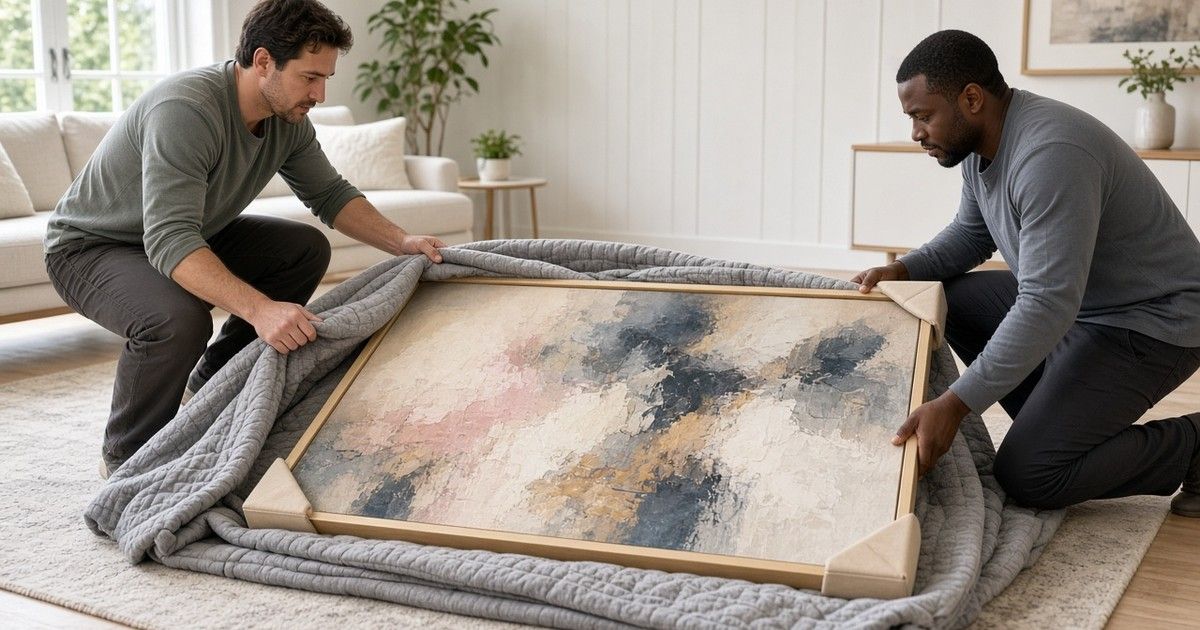
- Clean moving blankets on every surface, secured with stretch wrap over the blankets only, not directly on wood.
- Corner and edge protection for tables, dressers and frames.
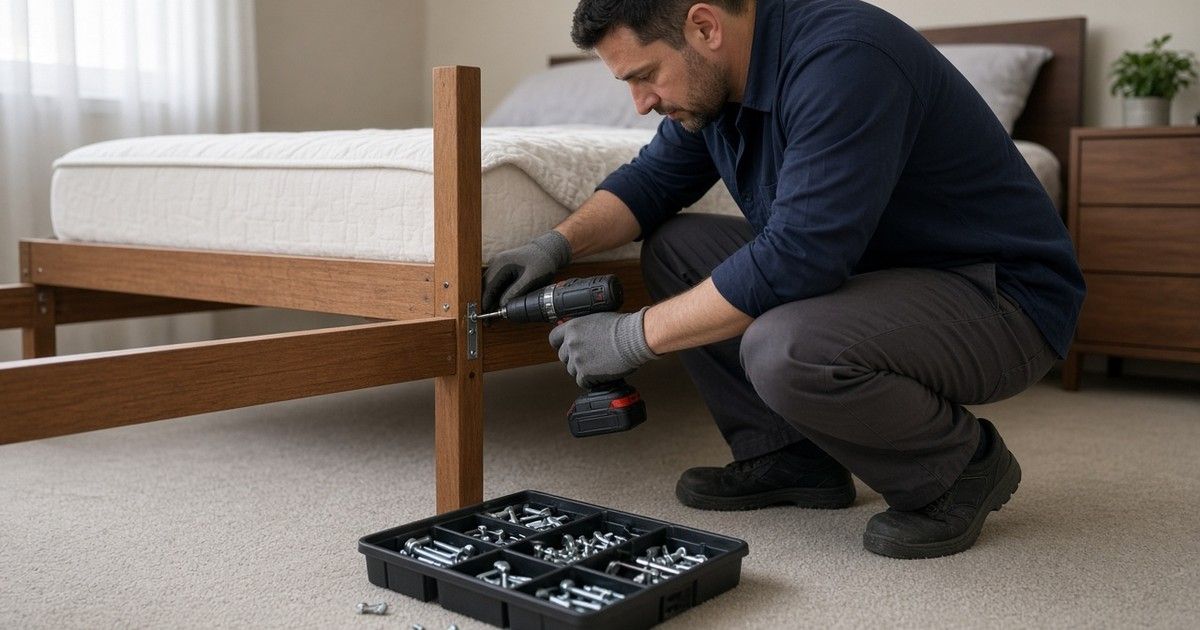
- Disassembly where appropriate. Removing legs, shelves or tops can reduce stress on joints. Our furniture assembly and disassembly service can handle this where it makes sense.
- Upright and supported transport. Pieces should not be stacked under heavy items or left to shift in the truck.
- Climate awareness. Avoid leaving wood in extreme heat, cold or damp conditions for long periods.
Handling tips
- Lift from the strongest structural points, never from marble tops, chair backs or table edges.
- Carry rather than slide.
- Take extra care with mirrors, glass and marble components, which may need their own packing.
- Keep pieces off wet or dirty floors when loading and unloading.
Questions to ask an antique mover
- Have you moved antique or single heirloom pieces before?
- How will you wrap and secure this piece?
- Will anything be disassembled, and who reassembles it?
- What coverage applies, and how are claims handled? Get it in writing.
- Will the same crew load and unload?
- Is the estimate in writing, and what could change it? See our list of questions to avoid hidden fees.
For valuable pieces, check with your insurance provider about coverage and consider whether an appraisal is worthwhile.
Moving just one piece
You do not need a full household move to hire help. Movers Near Me, LLC moves single pieces of furniture, so a family heirloom, a hutch or a grandfather clock can move on its own. Share the dimensions, the route and any stairs when you ask, and send photos if you can. Our specialty item moving service covers antiques, artwork and other delicate belongings. You can contact the company or call (828) 365-8056, open 8 a.m. to 10 p.m. seven days a week.
Frequently asked questions
Should I clean or polish an antique before moving it?
Dust it gently. Avoid new polishes or treatments right before a move, since they can leave a surface tacky and attract marks from padding.
Can antiques be moved in winter?
Yes, with care. Avoid prolonged exposure to cold or sudden temperature changes, and let pieces acclimate indoors before opening and using them.
Is shrink wrap safe for antique wood?
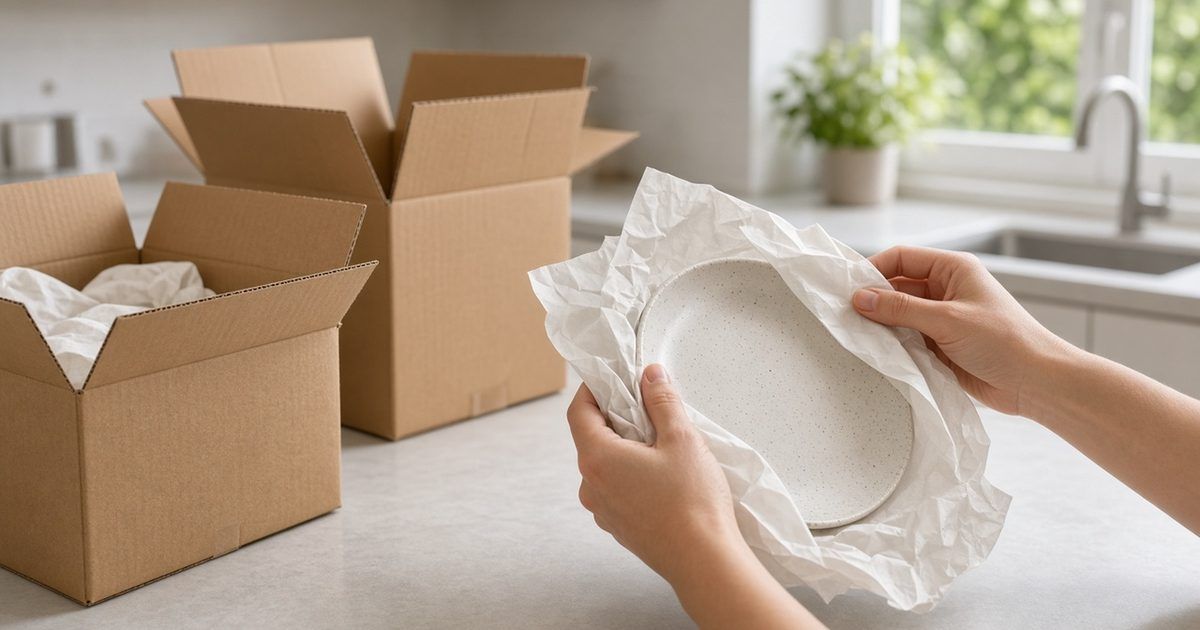
Not directly on the finish. Use blankets or paper first, then wrap over them.
Telling the crew what matters
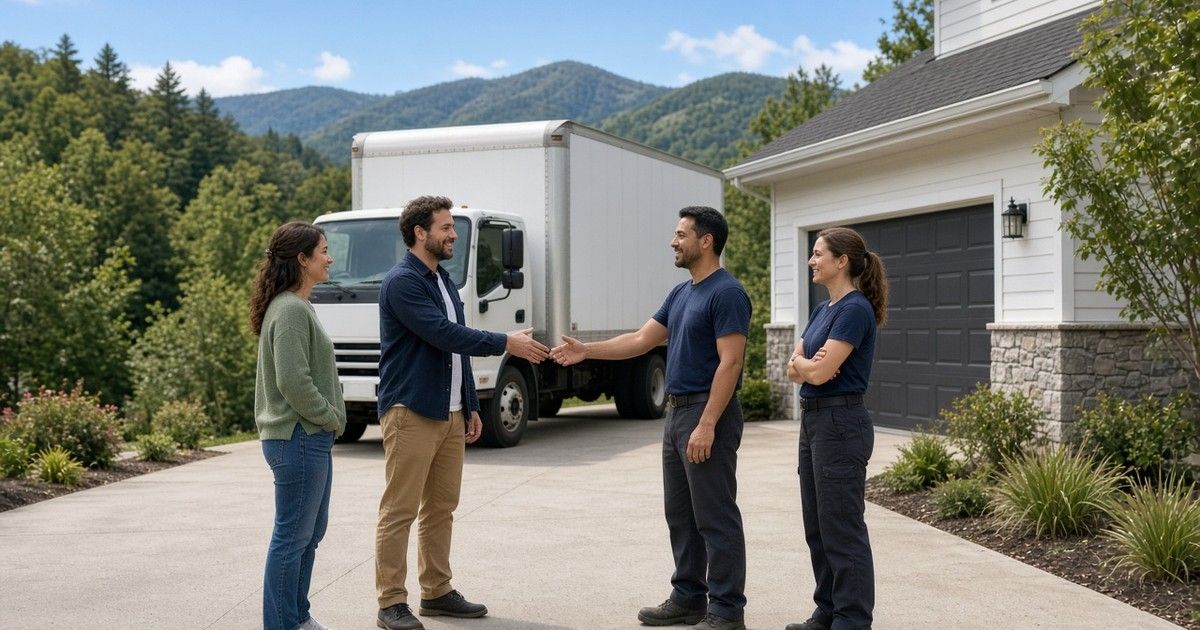
Point out fragile veneers, loose parts, hidden repairs and sentimental pieces. A short conversation before the work starts helps the crew decide how to pad, carry and load each piece.
Why antiques need a different approach
Antique furniture often has old glue, thin veneers, hand-cut joints and finishes that can be damaged by tape, plastic wrap or heat. Pieces may be heavier or more fragile than they look. Handling them involves padding that touches the surface lightly, lifting from solid parts rather than from legs or trim and avoiding dragging. Never lift a chair by an arm or a table by its top edge. If a piece is wobbly or repaired, tell the crew so they can plan how to carry it. For more detail, read moving antiques safely and specialty item moving.
More questions people ask
How do I know whether a piece is valuable?
Look for maker marks, check with an appraiser if you are unsure and keep any paperwork. Value is not always visible, so handle every old piece carefully.
Should I restore a piece before moving?
Usually not. Restoration choices are personal, and moving does not require it. Just document the condition before the move.
Can antiques be disassembled?
Sometimes, but old joinery can be fragile. Ask the crew before removing anything, and see furniture assembly and disassembly.
Protecting antiques in Western North Carolina
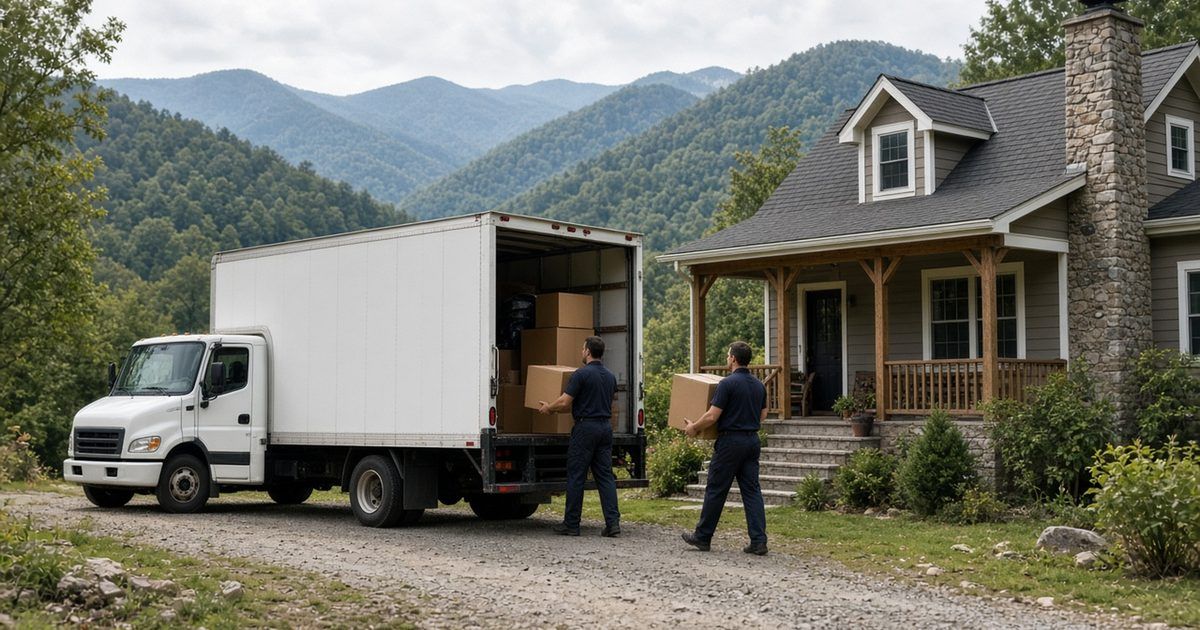
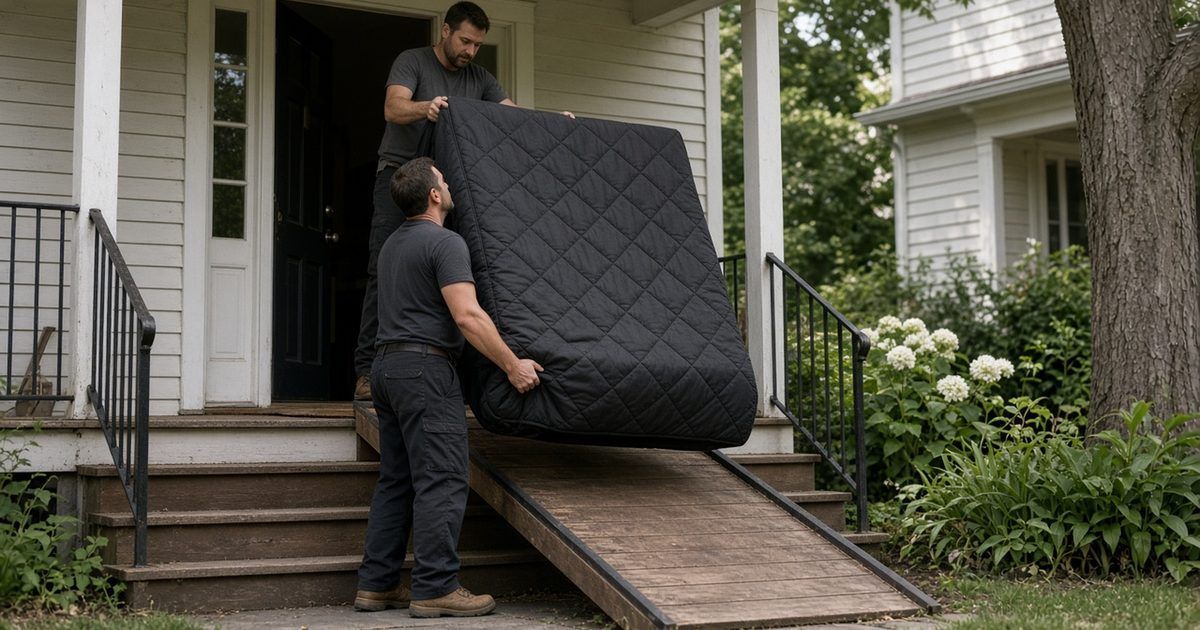
Older homes in Asheville and nearby towns often have narrow stairs, tight turns and uneven floors, so the route matters as much as the wrapping. Measure the piece and every doorway, stairwell and landing at both addresses. If a piece will not clear a turn, plan disassembly before moving day rather than forcing it. In historic neighborhoods such as Montford or in West Asheville bungalows, porch steps and steep driveways are common, so ask how the crew will protect floors, railings and the piece itself on the way out.
Wood also reacts to moisture and temperature. Western North Carolina can be humid in summer and cold on an unheated truck in winter. Keep antiques indoors until they are loaded, avoid leaving them in a closed vehicle for long periods and let wood acclimate in the new home before you place it against an exterior wall or a heating vent.
Should I buy extra coverage for antiques?
Ask what coverage is included and what optional protection costs before you book. For high-value or irreplaceable pieces, talk with your insurance provider as well, and keep photos and any appraisals with you, not on the truck.
How should a grandfather clock be prepared?
Have a clock technician remove or secure the pendulum, weights and other loose parts if the clock is designed that way. Do not force parts that are not meant to come off. Tell the mover the clock must travel upright, and plan the route so it does not have to be tipped.
Antique moving with Movers Near Me, LLC
We serve Asheville and Western North Carolina, with packing and unpacking available for delicate items. Compare options with our guide to comparing moving companies.
Movers Near Me, LLC is based in Candler, NC and holds North Carolina mover certificate C-2921. Call (828) 365-8056 or request a free quote.