Artwork Moving Services in Asheville for Safer Moves
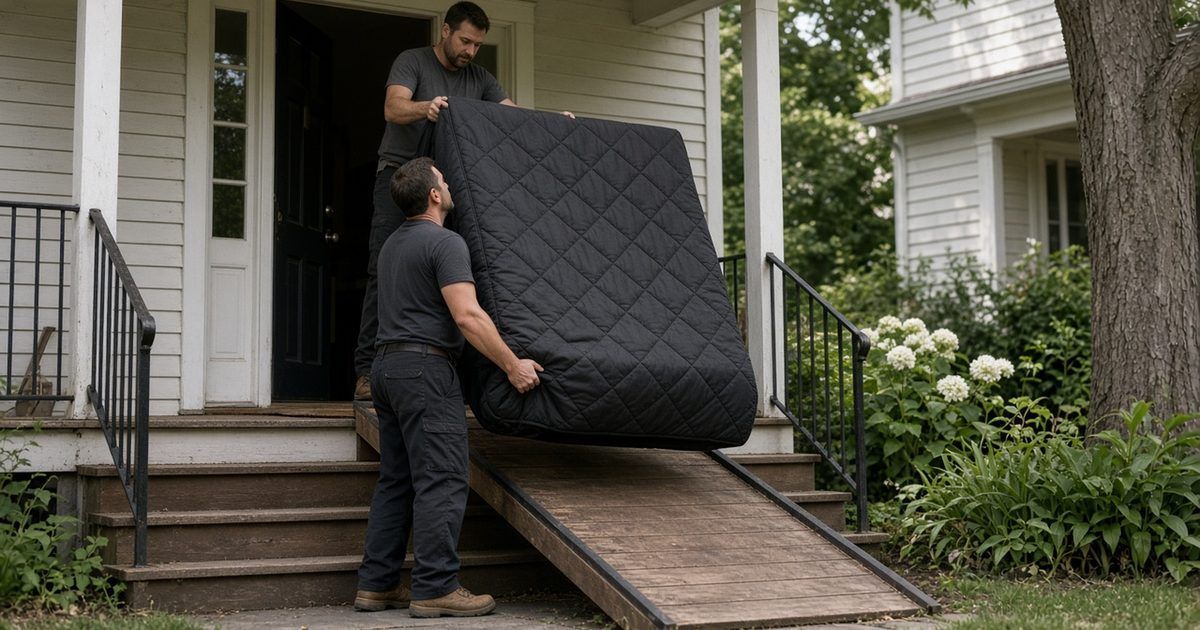
Artwork moving services in Asheville should protect paintings, prints, sculptures and framed pieces from the three biggest threats during a move: impact, pressure and moisture. Whether you are moving a single framed print or a collection, the right materials, careful handling and good planning make the difference between a safe move and a damaged piece. Here is how art is moved safely, and what to ask before you hire.
Why art needs special handling
Art is often irreplaceable, and many pieces have fragile surfaces, glass, frames or textured finishes. Even a small bump or scratch can reduce value or sentimental worth. Standard moving blankets and cardboard boxes are not enough for many pieces.
How artwork should be packed
Framed pieces and paintings
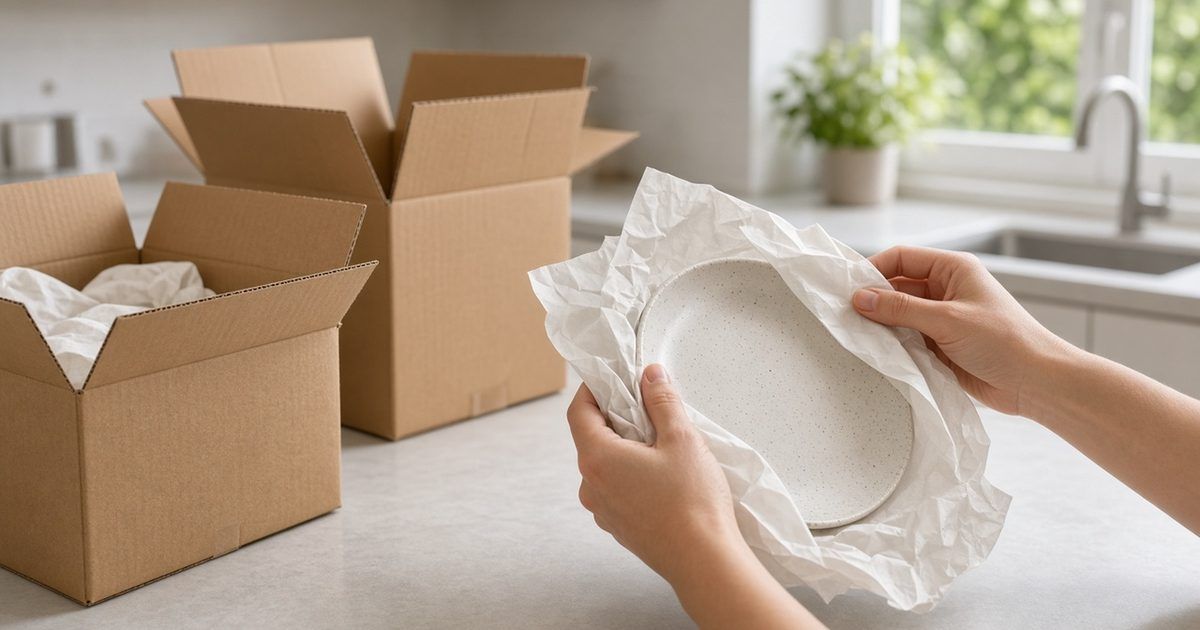
- Wrap the surface in clean, acid-free paper or glassine so nothing sticks to it.
- Add corner protectors to guard the most vulnerable part of the frame.
- Use padding and rigid cardboard or a custom crate, never loose bubble wrap pressed directly against paint.
- Pack upright, on edge, never stacked flat with other items on top.
Glass and mirrors
For framed glass, taping an X across the glass can help hold fragments together if it breaks. Keep tape off the frame and artwork itself.
Sculptures and three-dimensional pieces
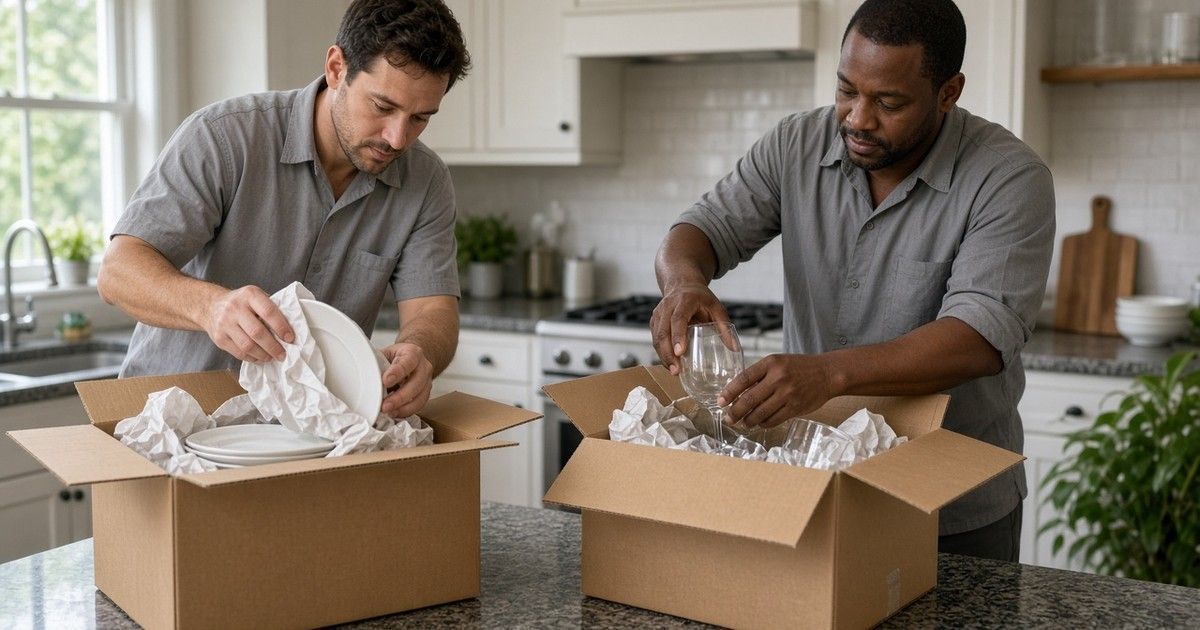
Remove any detachable parts, wrap them separately and use boxes sized to the piece with padding on every side so nothing shifts.
Large or unusually shaped pieces
Oversized art often needs a custom crate or a purpose-built approach. Measure doorways, stairways and elevators ahead of time so you know the piece can get out and into the new space.
Handling and transport
- Pieces should be carried by hand and kept upright, not dragged.
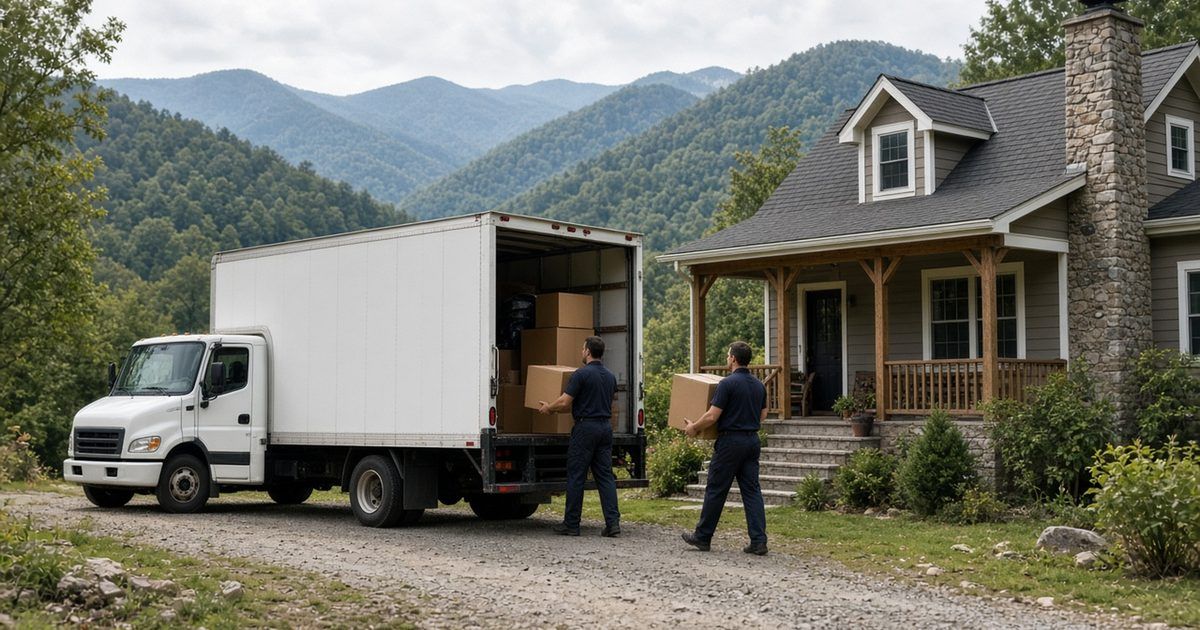
- Load art last or secure it in a protected area of the truck so heavy items cannot shift into it.
- Keep art away from extreme heat, cold and moisture during the move.
- Photograph each piece before packing so condition is documented.
What to ask an art mover
- How do you wrap and protect framed pieces and large works?
- Do you provide crating for oversized or very valuable pieces?
- What coverage options exist, and what does coverage include for art?
- Can you give me a written estimate that lists the art separately?
- Will the same crew handle loading and unloading?
For very valuable collections, check with your insurance provider about coverage and ask whether an appraiser or a fine-art specialist should be involved.
A simple checklist before art moving day
- Photograph each piece. Take clear photos of the front, back and any existing marks so condition is documented before the move.
- Measure everything. Know the size of each piece and confirm it will fit through doors, halls and stairwells at both homes.
- Decide where each piece goes. Choose the wall or room ahead of time so pieces are carried once, not repeatedly.
- Remove hanging hardware. Keep screws, wire and brackets in a labeled bag taped to the back of the piece.
- Keep paper-based works flat. Prints and drawings should travel flat and dry, away from moisture and heat.
Mistakes that cause damage
Most art damage comes from avoidable shortcuts: stacking pieces without padding between them, wrapping glass directly without protection, laying framed work flat under heavy boxes, or leaving pieces in a hot or damp vehicle. Tell your mover about valuable or fragile pieces ahead of time so the right materials and plan are ready. For very high-value works, you may also want to check with your insurance provider about coverage during a move.
Materials that matter
- Acid-free paper next to surfaces that should not touch ordinary packing paper.
- Corner protectors for frames, since corners take most of the impact.
- Picture boxes or crates for larger or more valuable pieces.
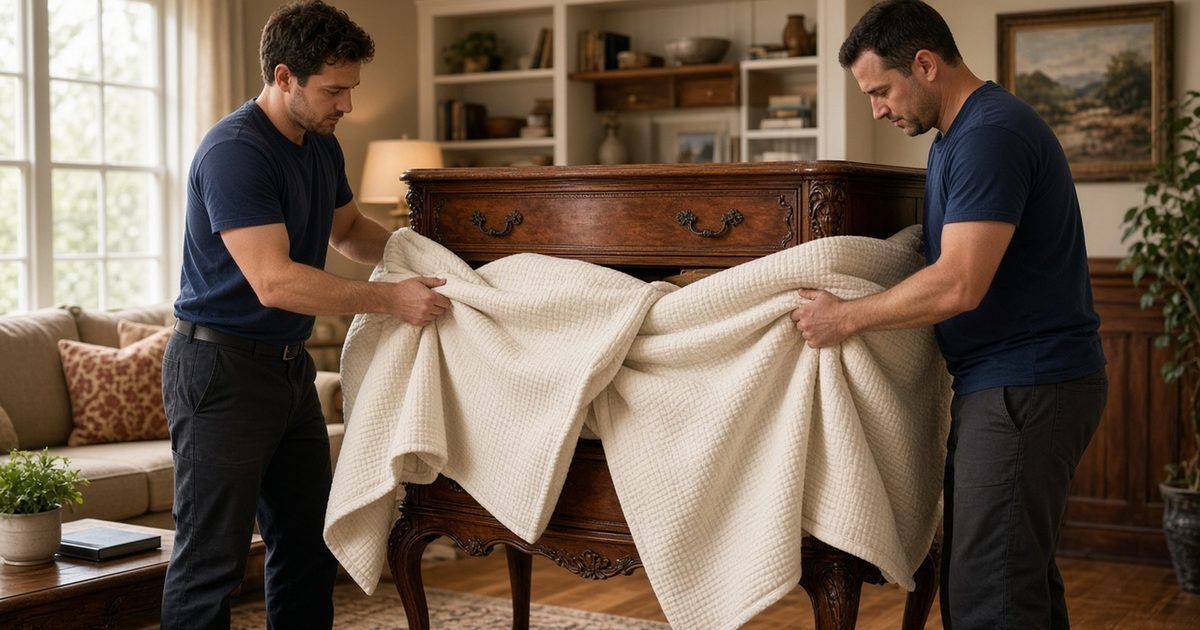
- Moving blankets and straps to keep pieces from sliding in the truck.
- Glass protection, such as a layer of clean paper and a padded, corner-protected frame, to reduce the risk of damage.
When art needs more than a standard move
Very valuable, antique or oversized works may call for a specialty art handler, climate-controlled transport or professional crating. Be honest with your mover about the value and fragility of each piece, and ask what they can handle. For related guidance, see specialty item moving and moving antiques safely.
More questions people ask
Should I take paintings off the wall myself?
If you are comfortable, yes, and photograph the hanging setup first. Otherwise, ask the crew to help. Keep hooks and wire with the piece.
Can I use bubble wrap on a painting?
Not directly on the surface of an oil or acrylic painting, since it can leave marks. Use clean paper or a protective layer first, then padding on top.
Is there a way to document condition?
Take dated photos before the move. They help if you need to compare condition afterward.
How to pack oil, acrylic and unframed work
Oil and acrylic paintings should not have plastic or bubble wrap pressed against the painted surface, which can leave marks or stick as temperature changes. Use a clean, smooth barrier such as glassine or acid-free paper first, then padding and a rigid support or crate. Carry framed work upright, on edge, and never stack other boxes on top of it. Unframed canvases need a rigid backing and a surface protector; do not lean anything against the painted side.
In Western North Carolina, art can also be affected by humidity and by tight stairwells in older houses. Measure frames, including corner protectors, against every turn in the path. If a large piece will not fit, ask about professional crating or a different route before moving day.
Should art travel in a climate-controlled truck?
Very sensitive or high-value work may need tighter control of heat, cold and moisture. Ask the mover what they can provide, and be honest about the value and condition of each piece so you can decide whether a specialty art handler is a better fit.
Who is responsible if a piece is damaged?
That depends on the coverage you select and the terms in your agreement. Get those terms in writing, photograph each piece before packing and inspect it at delivery. For valuable collections, also check with your own insurance provider.
Art moving with Movers Near Me, LLC
Movers Near Me, LLC offers specialty item moving for delicate belongings such as artwork, antiques and pianos, and our packing and unpacking service includes protective materials for fragile items. We also move single pieces of furniture, so a pedestal, display case or console can travel with the art it holds.
Our team is based in Candler, NC and holds North Carolina mover certificate C-2921. To plan your move, call (828) 365-8056 or request a free quote. If you are also comparing movers, our guide to comparing moving companies may help.