Moving Damage Complaints: Prevent Them and What to Do
Moving damage complaints are best avoided by choosing a reputable mover, documenting the condition of your belongings before the move, understanding what coverage applies, inspecting items at delivery and reporting problems promptly and in writing. If damage does happen, take photos, note it on the paperwork before the crew leaves and follow the mover's claim process. This guide explains how to reduce the risk and what to do if something is damaged.
Why damage happens
- Poor packing or thin boxes
- Overloaded boxes
- Furniture not padded or secured in the truck
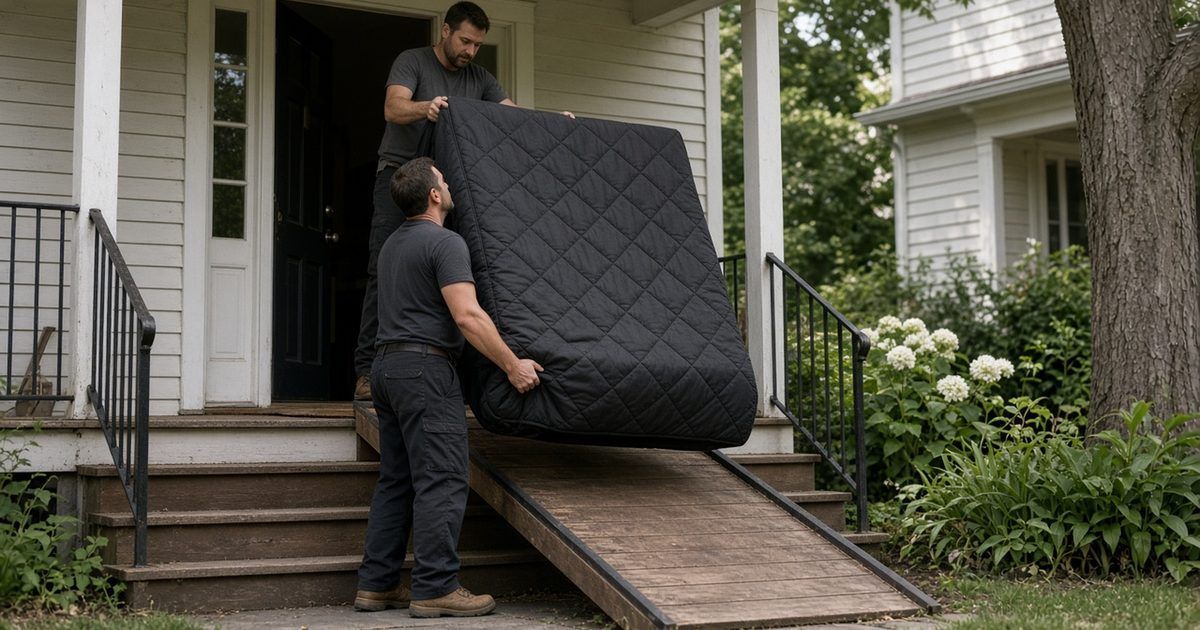
- Tight doorways and stairways
- Rushed crews
- Items that were already weak or damaged
How to prevent damage before you move
- Choose carefully. Check reviews, ask for certification and get a written estimate. Movers Near Me, LLC holds North Carolina mover certificate C-2921. See comparing moving companies.
- Photograph your belongings. Take clear pictures of furniture, electronics and valuables, and note existing scratches.
- Pack well. Use sturdy boxes, padding and proper labels. Our packing and unpacking service can help with fragile items.
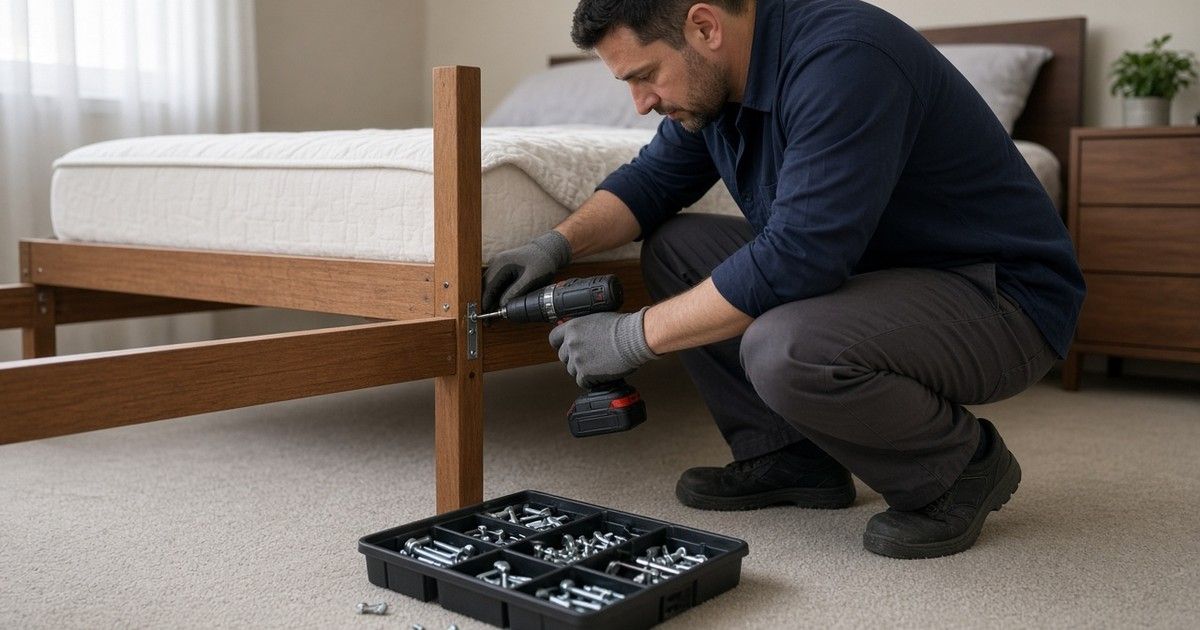
- Disassemble large furniture where appropriate with furniture assembly and disassembly.
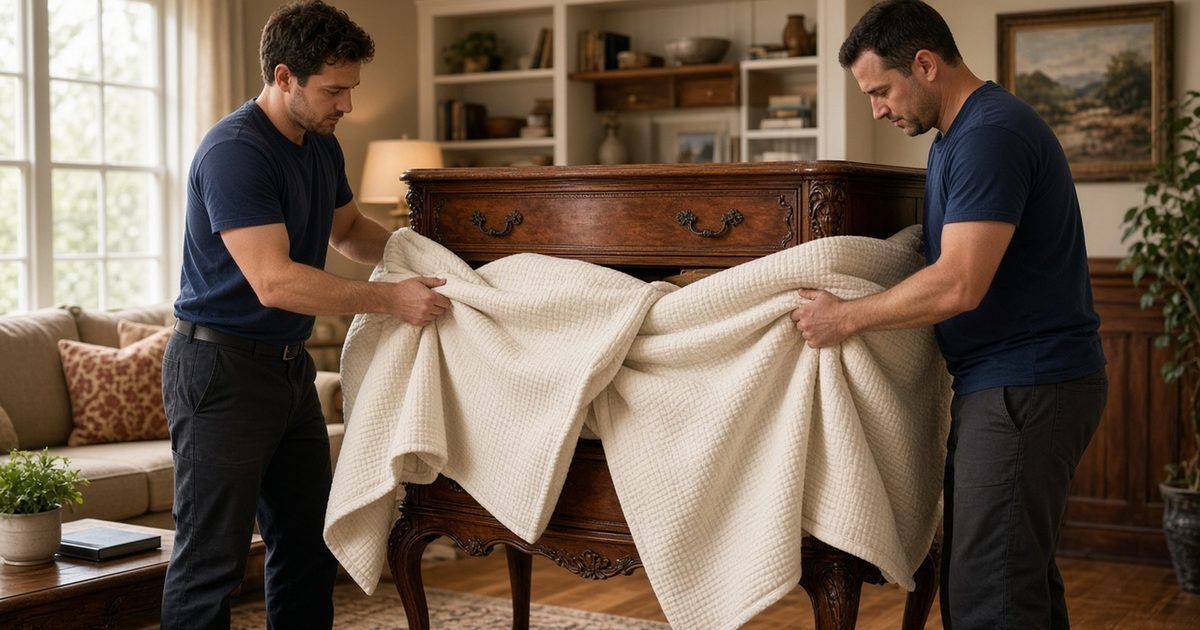
- Tell the crew about special items. Pianos, antiques and artwork need specific handling. See specialty item moving.
- Clarify coverage. Ask what coverage is included, what it does not cover and how claims work. Get it in writing.
On moving day
- Walk through with the crew lead and point out fragile items.
- Keep valuables and important documents with you.
- Clear pathways and protect floors.
- Be available to answer questions.
At delivery
- Inspect items as they come in, not days later.
- Note any visible damage on the paperwork before the crew leaves.
- Take photos of damage and packaging.
- Do not discard damaged boxes or items until the claim is resolved.
If something is damaged
- Document immediately. Take clear photos of the item and any packing materials. Do not discard damaged boxes or items until the claim is resolved, and do not make repairs first.
- Tell the crew lead before the crew leaves, if you can, and note the damage on the paperwork.
- Write it down. Record the item, the damage, the date and the time.
- Contact the mover promptly and follow the written claim process in your agreement. Provide photos, descriptions and receipts or repair estimates.
- Keep records of the contract, inventory, photos and every message, including dates.
- If you cannot resolve it, check your coverage and the dispute options that apply to your type of move, as described below.
How to avoid misunderstandings
- Read the estimate and agreement before moving day.
- Ask what could change the price. See questions to avoid hidden fees.
- Keep communication in writing when possible.
How to prevent most damage issues
- Take photos before the move. A quick record shows the condition of furniture and belongings.
- Point out fragile items. Telling the crew in advance helps them plan.
- Pack properly. Use sturdy boxes, padding and clear labels.
- Do a walk-through. Check items as they are unloaded rather than days later.
How to reduce the risk before you hire
Ask the mover how damage claims are handled, what coverage is included and what is optional. Ask whether the crew uses blankets, straps and padding and how they protect floors and doorways. Read the contract and ask about anything you do not understand. See the guide to comparing moving companies, and read about what to do when a moving company steals your stuff if the problem is more serious than damage.
More questions people ask
How are moving damage complaints usually resolved?
Often through a direct conversation and a claim process that depends on the contract and coverage. If you cannot resolve it, there may be state or consumer resources, depending on the situation.
Should I post a review about the problem?
Give the company a chance to respond first, and keep any review factual.
Can I reduce damage by packing better?
Yes. Good boxes, padding and clear labels help. See packing and unpacking.
Understanding coverage and claims
Coverage options differ by company and by type of move, so ask what is included by default, what limits apply and what is optional. Ask how claims are filed, how long you have to file and what documentation is required. Keep in mind that a claim for a high-value item may require receipts, appraisals or photos. If you own something especially valuable, tell the mover in advance and ask whether additional protection is available or whether a specialty service is more suitable. Reading the contract before moving day helps you avoid surprises.
Who regulates movers, and how claims work
The rules depend on whether the move stays inside North Carolina or crosses a state line. For moves inside the state, the North Carolina Utilities Commission regulates household goods movers. Movers Near Me, LLC holds Commission certificate C-2921 (company number T-4760). Start with the mover's written claim process. If you cannot resolve a problem, you can also contact the Commission's consumer staff. The state Attorney General's consumer protection office and the Better Business Bureau are additional places people sometimes turn, but the Commission is the regulator for in-state movers.
For an interstate move, the Federal Motor Carrier Safety Administration (FMCSA) sets consumer-protection rules for household goods carriers. Under FMCSA rules, a written claim for loss or damage generally must be filed with the mover within nine months of delivery. Interstate movers must also offer a dispute settlement program. Ask for those procedures in writing before you book, and keep copies of everything you submit.
Coverage is not the same as a general insurance policy. For moves inside North Carolina, Movers Near Me, LLC states that protection is set by the valuation option you choose on the Bill of Lading before loading begins. Standard Basic Value Protection is included at no extra cost at $0.60 per pound per article, and higher Full Value Protection options are available to review before moving day. Ask the mover to walk through those choices, and tell them about high-value or fragile items when you request the estimate. You can also check with your own insurer about coverage during a move.
Frequently asked questions
How long do I have to file a claim?
Ask before the move and read your paperwork, because deadlines depend on the type of move and the coverage you selected. For an interstate move, FMCSA rules generally require you to file a written claim with the mover within nine months of delivery. For a move inside North Carolina, ask the company and check the terms on your Bill of Lading.
Does my homeowner's or renter's insurance help?
Possibly. Check with your insurer about coverage during moves.
Are older items more likely to be damaged?
They can be more fragile, so tell your mover about them in advance.
See also how to prepare for movers.
Movers Near Me, LLC is based in Candler, NC and holds North Carolina mover certificate C-2921. Call (828) 365-8056 or request a free quote.