How to Move Fragile Items Without Breakage
To move fragile items without breakage, use the right materials, wrap each piece individually, pack tightly so nothing shifts, label boxes clearly and keep the most delicate items protected during loading. Whether you are packing dishes, glassware, lamps, electronics or heirlooms, these steps help your fragile belongings arrive in one piece.
Gather the right supplies
- Sturdy new or like-new boxes in several sizes
- Packing paper and bubble wrap
- Packing tape and markers
- Corner protectors and foam sheets
- Dish dividers and cell boxes for glasses
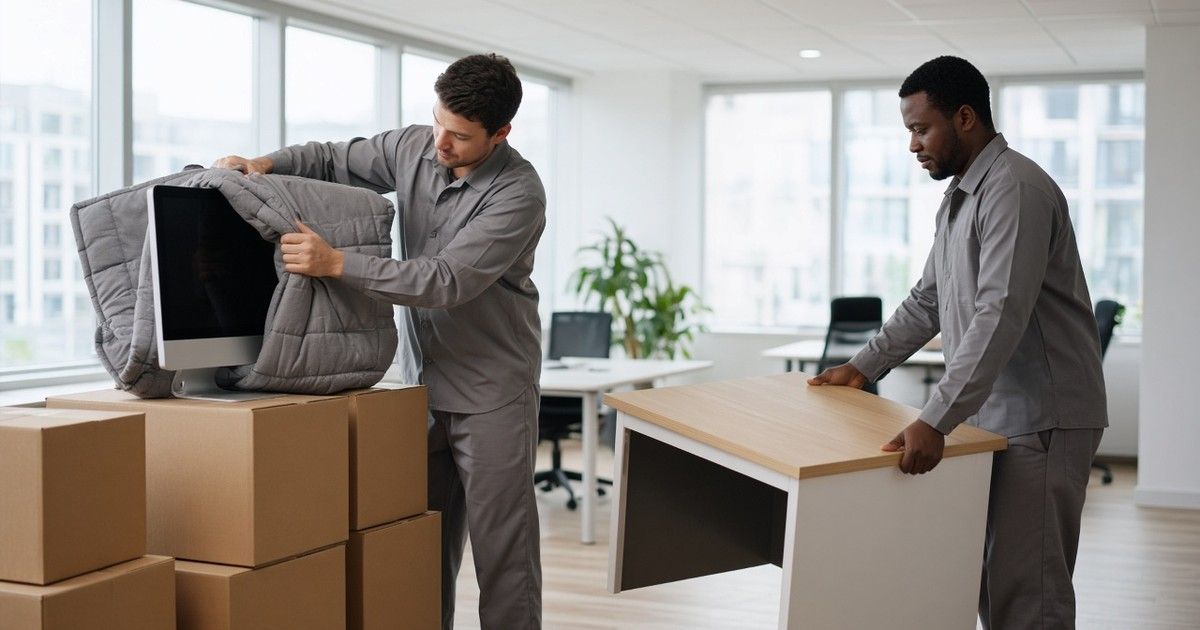
- Moving blankets for furniture
Weak boxes and newspaper are the usual culprits when things break.
How to pack common fragile items
Dishes and plates
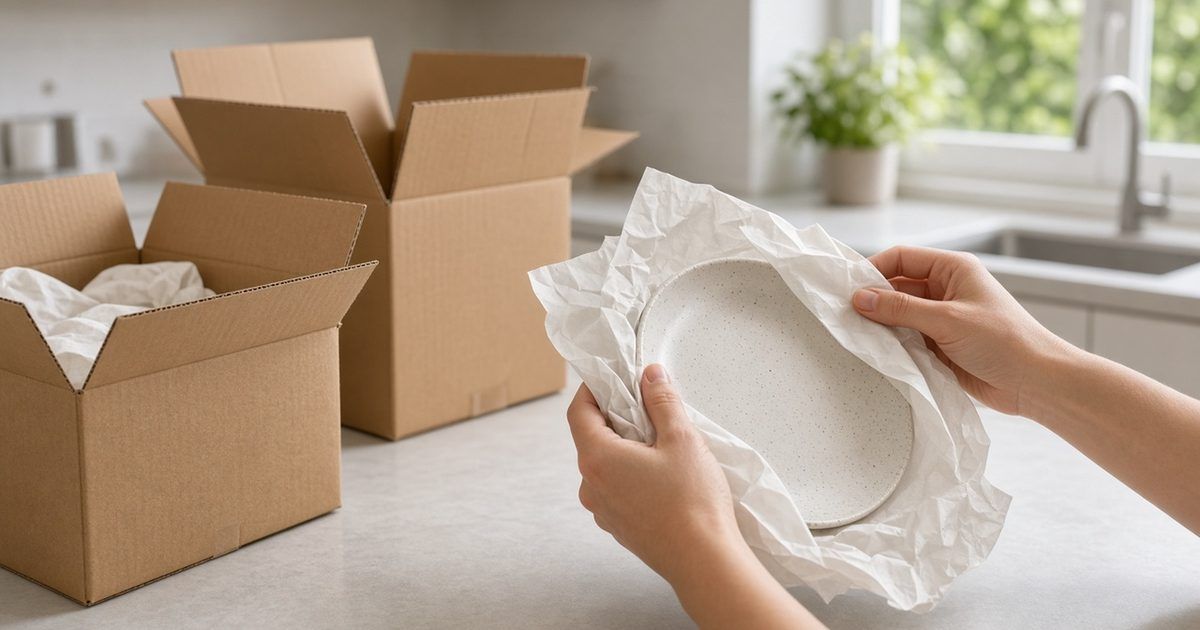
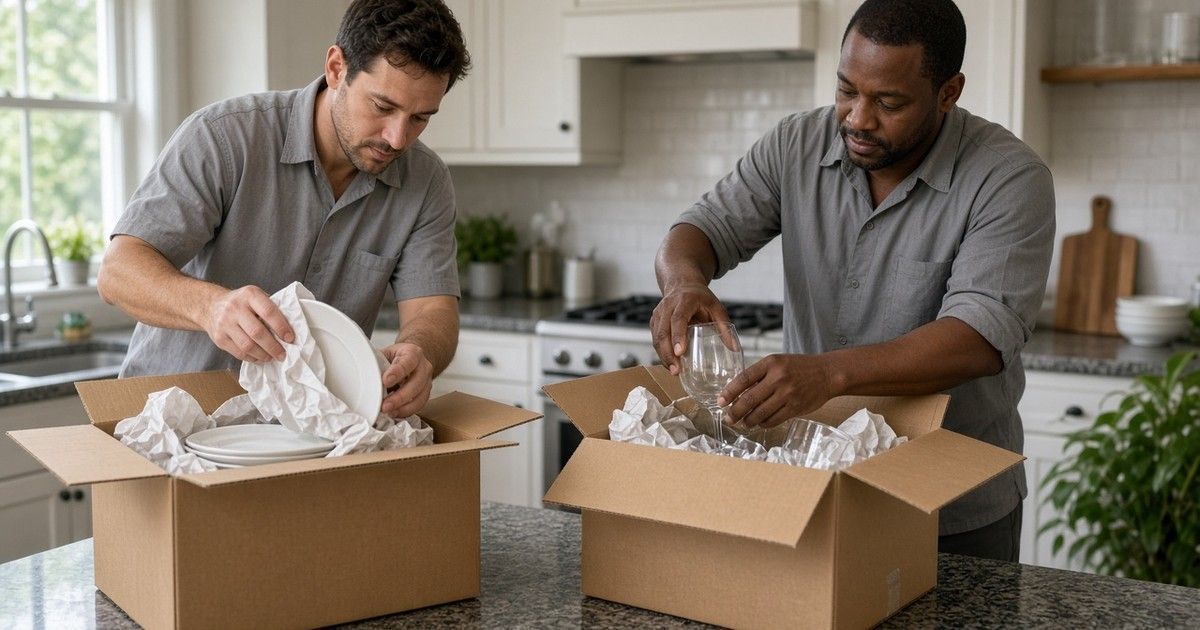
Wrap each plate in paper, stack no more than a few together and pack them on edge, like records, rather than flat.
Glasses and stemware
Stuff the inside with paper, wrap each piece and use dividers. Put the heaviest items on the bottom of the box and the lightest on top.
Lamps and decor
Remove shades and bulbs, wrap the base and pack them separately. Fill gaps with paper.
Mirrors and framed pictures
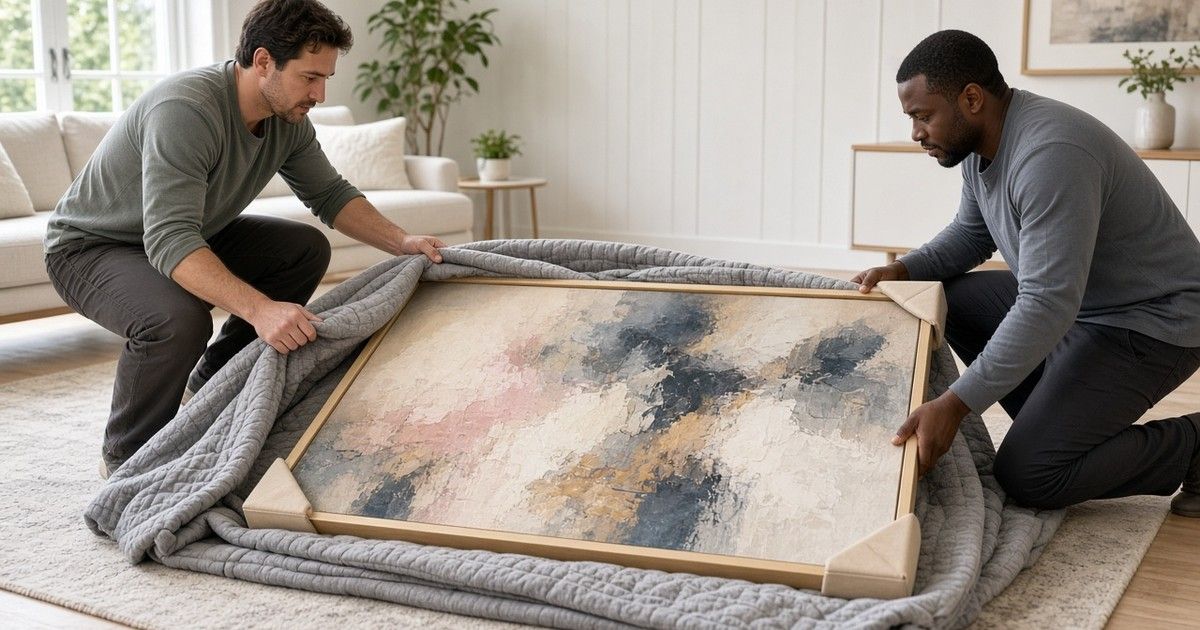
Use corner protectors and cardboard, and pack them upright. Avoid laying them flat.
Electronics
Use original boxes where possible. Otherwise wrap each device, secure cables and keep remotes with their device.
Pack tightly, but not too heavy
- Fill empty space so items cannot shift.
- Give the box a gentle shake. If you hear movement, add more padding.
- Keep boxes light enough to carry safely.
- Tape the bottom and top thoroughly.
Label clearly
Mark every box with its room and "Fragile," and an arrow showing which side is up. Our guide to how to label moving boxes explains a simple system.
Fragile furniture and large items
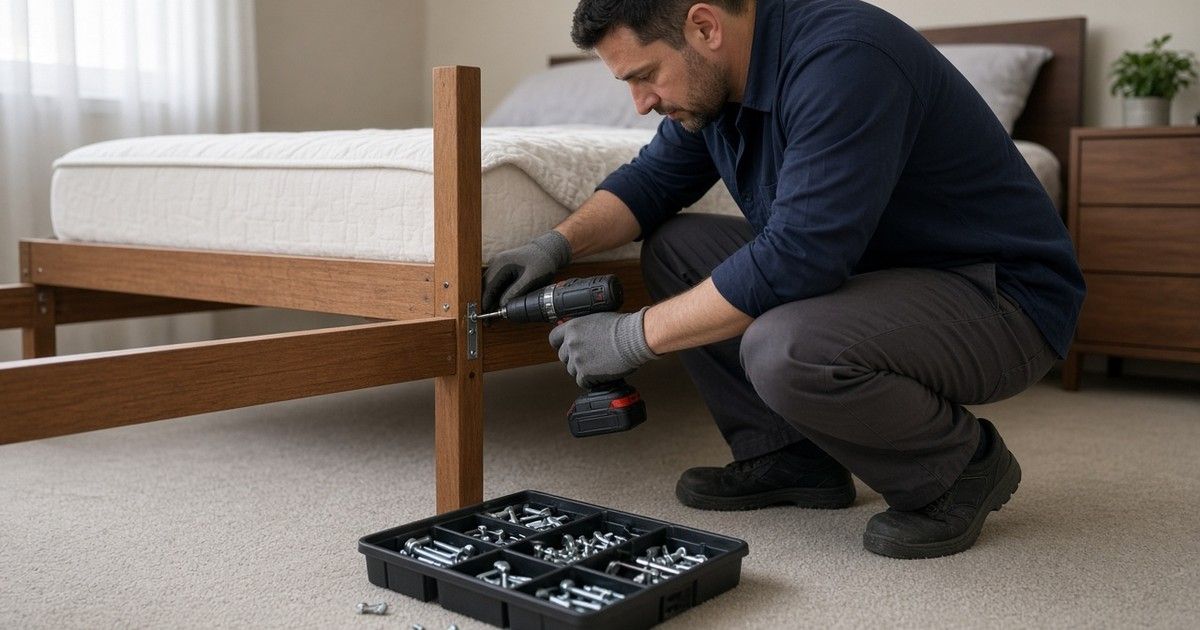
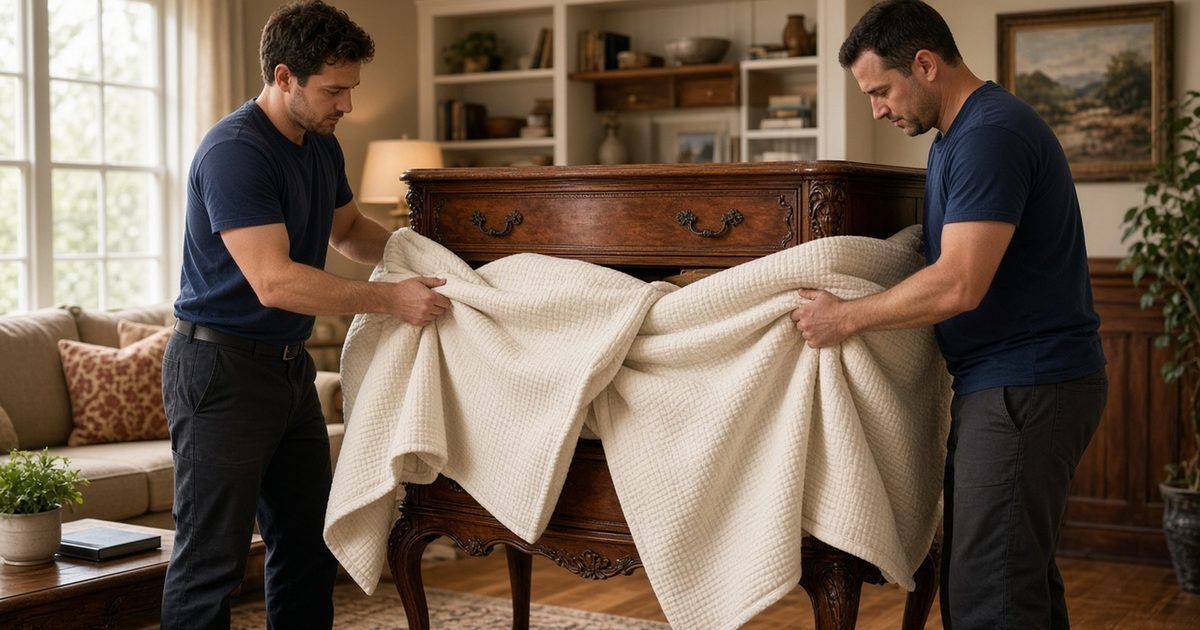
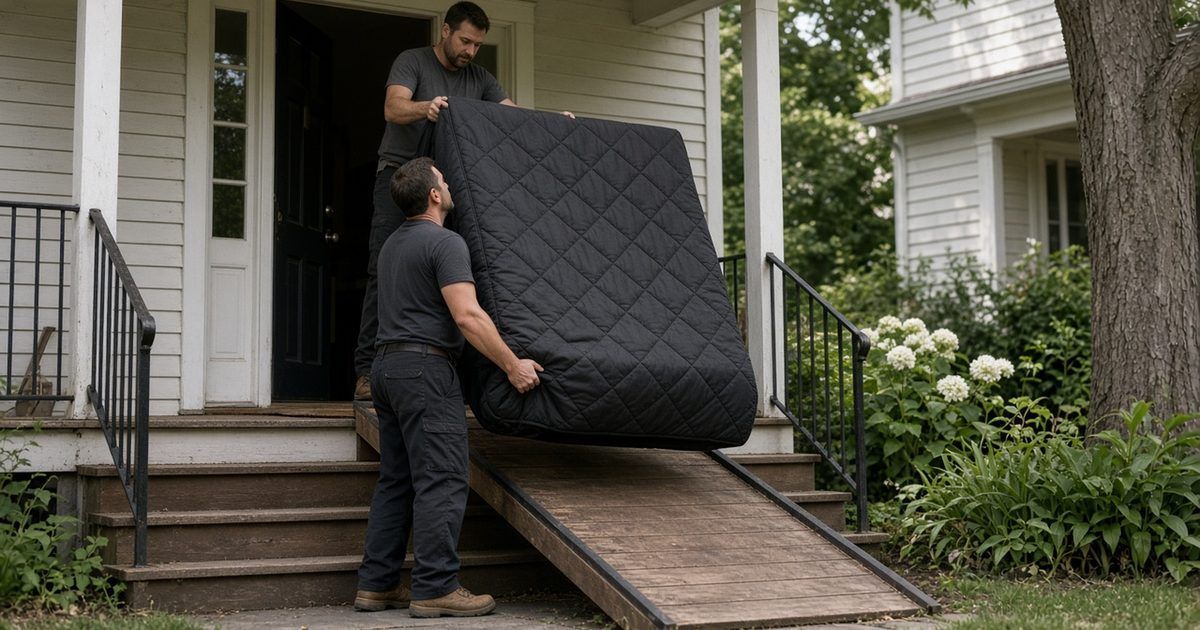
Glass tabletops, curio cabinets and delicate furniture need blankets and sometimes disassembly. Movers Near Me, LLC moves single pieces of furniture, appliances and home gym equipment, and our furniture assembly and disassembly service can take pieces apart for safer travel.
When to leave it to the pros
Very valuable, antique or oversized items are worth professional handling. Consider our packing and unpacking service, which uses quality materials, or our specialty item moving for antiques, artwork and other delicate belongings. Pianos have their own service: see piano moving.
On moving day
- Keep the most delicate items separate from the rest of the load.
- Tell the crew which boxes are fragile.
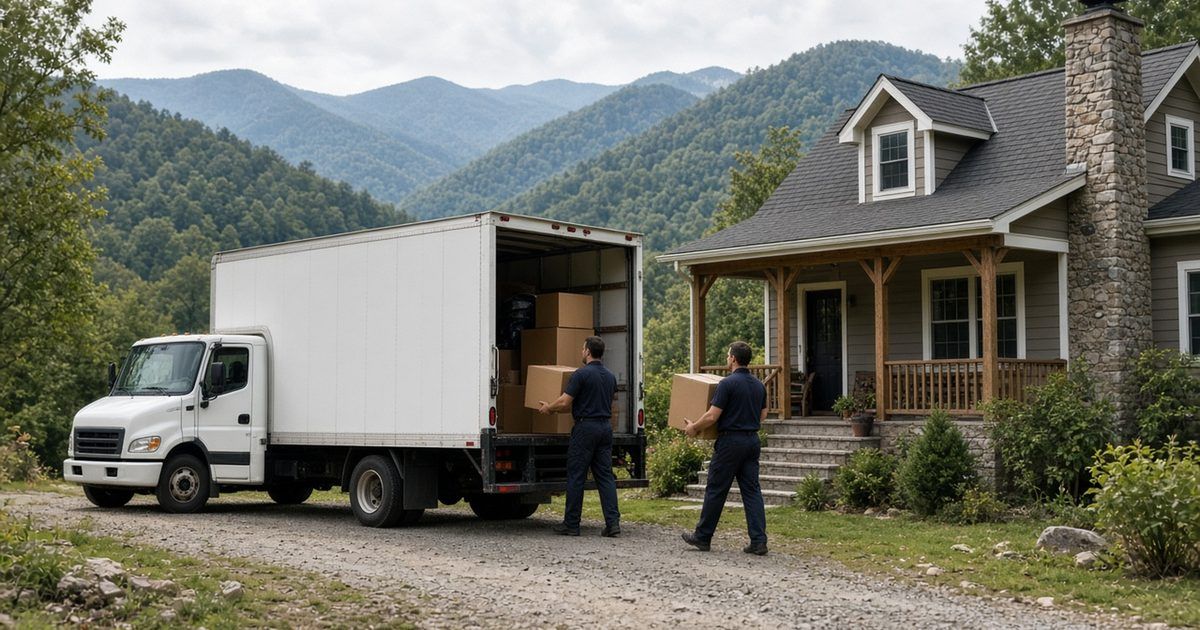
- Load heavy boxes first and fragile boxes on top of or beside them, not underneath.
- Inspect items as they come off the truck and note any issues right away.
Packing materials that make a difference
- Sturdy boxes in the right size. Oversized boxes let items shift, and weak boxes crush.
- Packing paper. Wrap each item individually and fill empty space so nothing moves.
- Bubble wrap. Useful for glass, ceramics and anything with a delicate surface.
- Dividers. Good for glasses and stemware, which should not touch each other.
- Strong tape and clear labels. Mark boxes as fragile and show which side is up.
Where fragile boxes belong on the truck
Heavy boxes go on the bottom and fragile boxes go on top or in a protected spot where nothing can be stacked on them. Let your crew know which boxes are fragile before loading so they can be placed carefully. At the new home, unpack fragile items in a safe space and keep packing paper until you are sure everything has been found.
How to transport fragile furniture
People searching how to transport fragile furniture often have pieces such as mirrors, glass tables, antique chairs or pieces with thin legs. General principles include removing parts that stick out, padding the entire piece, protecting corners and edges, avoiding stacking on top of fragile surfaces and securing the piece so it cannot slide. Heavier items go at the bottom of the load, and fragile pieces are loaded where they will not be crushed. If a piece is valuable or delicate, ask the mover how they handle it. See specialty item moving.
A quick checklist
- Photograph fragile items before packing.
- Use sturdy boxes in good condition, not worn ones.
- Fill empty space so nothing shifts.
- Label boxes on the top and side.
- Carry the most fragile items in your own car if practical.
More questions people ask
Can I wrap furniture in plastic?
Plastic wrap can trap moisture and damage some finishes. Use blankets or paper against surfaces, then wrap on top to hold padding in place.
Where can I get help?
What to do on arrival
When fragile boxes arrive, open them in the room where the items will live. Unpack gently, check each item against your photos and note any damage right away. Take photos of damaged items and the box they came in, and tell the crew lead before the crew leaves. Keep the packing paper until you have checked every box, since small items can be hidden in the wrapping. If something is broken, contact the company promptly with details. For items that are especially valuable, plan ahead by asking how the mover handles claims.
How to pack glass tabletops, lamps and china
Glass tabletops should be removed from the base when possible, wrapped in padding, marked as glass and carried on edge, not flat under other items. Tape an X of painter's tape across large panes only if the tape will not damage the finish, and keep tape off decorative edges. Lamp bases and shades travel separately: wrap the base, stuff the shade loosely with paper if it is sturdy enough, or pack the shade alone in a box that will not be crushed. For china, wrap each piece, pack plates on edge and fill every gap so nothing rattles.
- Use small, sturdy boxes for dense, fragile items so no box becomes too heavy to carry safely.
- Label every side "Fragile" and "This side up."
- Load fragile boxes last, or in a protected spot where nothing will be stacked on them.
- Keep jewelry, important documents and irreplaceable small items with you, not on the truck.
Can I pack fragile items in plastic bins?
Bins can work if they close securely and you pad every gap, but they are slick and can be heavy. A well-taped cardboard carton with a cushioned bottom and no empty space is often easier to stack and label. Either way, do not leave fragile pieces loose inside.
What should not go in a moving truck?
Keep with you medications, cash, jewelry, passports, financial records and other high-value small items. Some households also keep laptops and backup drives with them. Ask the mover if they have a list of items they cannot carry, such as hazardous materials.
Need help moving fragile items?
Movers Near Me, LLC is based in Candler, NC and holds North Carolina mover certificate C-2921. Call (828) 365-8056 or request a free quote.